Mixed-Use Developments
Back to Property Types

Mixed-Use Developments in San Francisco, CA

Financing Mixed-Use Developments Investments

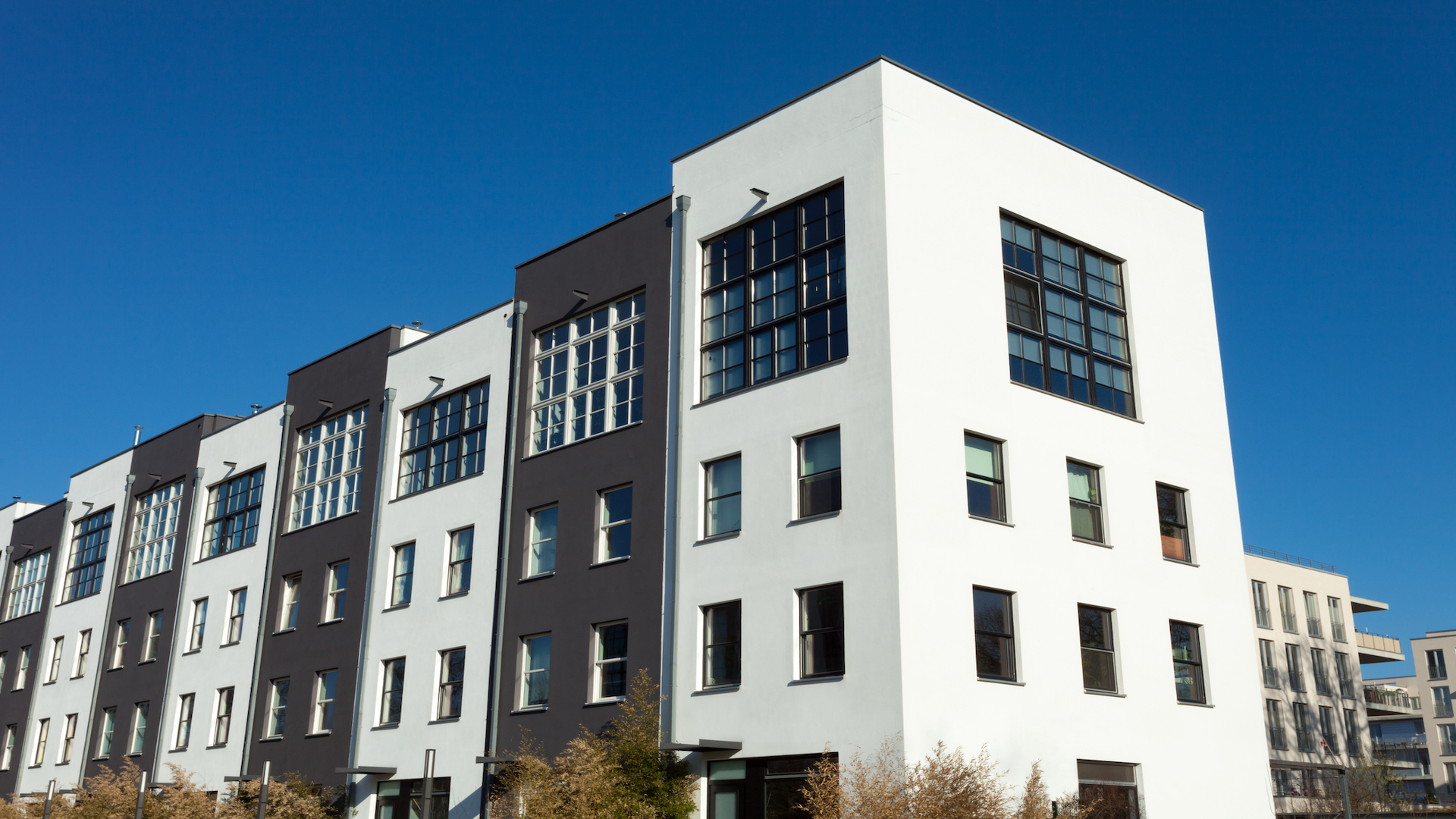
Mixed-use properties are San Francisco's most characteristically urban building type. The city's neighborhood commercial corridors are lined with two- to four-story mixed-use buildings — ground-floor retail or restaurant, residential apartments above — that are simultaneously subject to the SF Rent Ordinance on their residential components and to market-rate commercial leasing principles on their ground floors. This dual regulatory reality creates an asset class that most conventional lenders cannot underwrite accurately: applying pure residential underwriting misses the commercial income; applying pure commercial underwriting misses the rent-control valuation discount on the residential side. Hard Money Lender San Francisco has developed specific underwriting methodology for SF mixed-use properties that evaluates each component independently and blends the income streams with appropriate regulatory adjustments. We close mixed-use acquisitions in two to three weeks with preliminary terms in forty-eight hours. We lend from $500,000 to $15 million on mixed-use assets across the city's neighborhood commercial fabric, from Mission District Victorian mixed-use to Hayes Valley contemporary mixed-use to Bayview-Hunters Point adaptive-reuse mixed-use. San Francisco's mixed-use real estate is also the locus of the city's most important planning debates: ground-floor retail activation policies that limit conversion of commercial space to residential use, formula retail restrictions that curate the neighborhood business mix, and housing production mandates that are increasing residential density on commercial corridors citywide. Investors who understand these planning dynamics can position mixed-use acquisitions to benefit from SF's housing production push while maintaining the commercial income that makes the properties valuable financial assets.

Mixed-use acquisition financing for existing San Francisco buildings with both residential and commercial components is our most common mixed-use loan application. A six-unit Edwardian building on Valencia Street with five rent-controlled residential units and a ground-floor restaurant on a long-term lease requires underwriting that values the residential component on current rent roll with Costa-Hawkins decontrol modeling and the commercial component on the restaurant lease terms and comparable neighborhood retail cap rates. We aggregate the two income streams and lend at 65–70% of blended appraised value.

Mixed-use repositioning and renovation financing funds value-creation programs on underperforming mixed-use buildings. A Hayes Valley building with a vacant ground-floor commercial space and below-market residential rents can be repositioned through targeted improvements: a new ground-floor commercial tenant with a market-rate lease, and unit improvements as residential units turn over. We structure renovation draws to release commercial-space improvement funds upon new lease execution and residential unit improvement funds upon per-unit vacancy and renovation completion.

Mixed-use construction financing for new development or major addition projects in SF's neighborhood commercial zones is a growing application category as SF Planning's Housing Element commitments streamline residential density additions on commercial corridors. A Noe Valley NC-zone building that receives Planning approval for a rooftop addition of two new residential units — a form of densification increasingly encouraged by SF Planning — requires construction financing for the addition scope while the existing building remains occupied and income-producing below. We structure construction loans for these addition projects with interest reserves and draw schedules that protect ongoing income from the existing building during construction.

Mixed-use cash-out refinancing without seasoning allows SF mixed-use property owners to access equity for new acquisitions, renovation programs, or debt consolidation. A Mission District mixed-use building acquired in 2014 for $1.4M and appraising today at $2.8M supports a cash-out refinancing that releases $560,000 in net proceeds (at 65% LTV against current value, net of existing debt) without a seasoning period, income documentation requirement, or DTI calculation.

Common Challenges We Solve

Dual regulatory framework is the core underwriting complexity for SF mixed-use. The SF Rent Ordinance applies to residential units in covered buildings — those with two or more units built before June 13, 1979, in most cases — limiting annual rent increases, requiring Just Cause for eviction, and imposing Rent Board procedural obligations. Costa-Hawkins preempts local rent control for single-family homes, condos, and voluntary vacancies. Commercial space in the same building operates under market lease terms with no rent control. Underwriting these buildings requires separately analyzing each income stream under the applicable regulatory framework before blending for overall property valuation.

Formula retail restrictions affect the commercial component of mixed-use buildings in NC and NCT zones by limiting the tenant universe without Conditional Use authorization. For investors who want to market ground-floor commercial space to the broadest tenant pool — including national and regional chain businesses — the CU requirement for formula retail introduces timeline and approval uncertainty. We evaluate the formula retail restriction applicability to each mixed-use property in our portfolio and flag properties where the repositioning plan's commercial tenant assumptions require advance Planning consideration.

Affordability and inclusionary requirements apply to mixed-use development projects that add new residential units. Under SF's inclusionary affordable housing program, new residential development projects must provide a percentage of units at below-market rents or pay in-lieu fees to the city's Affordable Housing Fund. For mixed-use developments adding residential units through new construction or addition, the inclusionary requirement must be explicitly budgeted and planned for before project economics can be finalized. We require inclusionary compliance plans before closing any construction or development loan on a mixed-use project that adds residential units.

Historic preservation review applies to mixed-use buildings in Article 10 landmark districts or Article 11 conservation areas. A Mission District Victorian mixed-use building with landmark designation requires Historic Preservation Commission review for any exterior alterations — facade improvements, window replacements, signage changes — and must use historically compatible materials in any permitted modifications. We factor HPC review timelines into construction loan term structures for mixed-use buildings in historic districts.

Our Approach

Mixed-use loans from $500,000 to $15 million, terms from six months to five years, 60–72% LTV depending on the ratio of rent-controlled residential to market-rate commercial income, building condition, and value-add scope. Dual-framework underwriting applied as standard methodology for all SF mixed-use properties. Interest reserves for properties with commercial vacancy or renovation scope. Term sheets within forty-eight hours. Closing in two to three weeks.

We lend to individual investors, LLCs, family trusts, and corporate entities with personal guarantees from controlling principals. No income documentation for commercial mixed-use loans. All loans held on balance sheet without secondary-market underwriting constraints.

Frequently Asked Questions

How do you underwrite SF mixed-use properties with both rent-controlled residential and market-rate commercial?

We evaluate each component independently and aggregate for overall property analysis. Residential units are underwritten on current in-place rents with Costa-Hawkins vacancy decontrol modeling for projected income trajectory. Commercial space is underwritten on current lease terms or comparable market lease rates for vacant space. We apply separate cap rates to each income stream — residential multifamily cap rates for the residential component, commercial retail or office cap rates for the commercial component — and blend the resulting values. This dual-framework approach typically produces more accurate valuations than single-framework underwriting for SF's genuinely hybrid mixed-use asset class.


What LTV ratios are available for San Francisco mixed-use properties?

LTV for SF mixed-use depends on the income mix and regulatory exposure of each component. Buildings with a majority of income from market-rate commercial tenants on long-term leases and a minority from rent-controlled residential may qualify for 68–70% LTV. Buildings where the majority of income is from rent-controlled residential units with significant below-market rents may be limited to 60–65% LTV to reflect the rental income constraint. Buildings with current commercial vacancy or near-term lease expirations may require 58–63% LTV with interest reserves for the commercial lease-up period.

Can you finance a mixed-use building with rent-controlled residential units in San Francisco?

Yes — rent-controlled mixed-use is our most common mixed-use loan category. We underwrite the residential income on current in-place rents with realistic Costa-Hawkins decontrol modeling; we underwrite the commercial income on current or projected market rents. We do not require or assume any residential tenant displacement to justify the financing. The regulatory complexity of rent-controlled mixed-use is manageable for investors who understand the Rent Ordinance's requirements and approach compliance as a professional discipline. Our term sheets include clear disclosure of how the rent-controlled residential income affects underwriting and LTV.

Do you provide construction financing for new mixed-use developments in San Francisco?

Yes. New mixed-use construction and major addition projects in SF's neighborhood commercial zones are a growing category in our construction loan portfolio. We fund mixed-use construction from site preparation through certificate of occupancy with progressive draw structures aligned with DBI inspection milestones. For projects with both residential and commercial components, we structure draws that account for the different inspection sequences for residential and commercial construction. Inclusionary affordable housing requirements must be explicitly budgeted before we close any mixed-use construction loan that adds new residential units; we require the inclusionary compliance plan as a loan condition.

How do SF formula retail restrictions affect mixed-use property investment?

Formula retail restrictions in NC and NCT zones require businesses with eleven or more worldwide locations to obtain Conditional Use authorization from the SF Planning Commission before opening in restricted zones. For mixed-use property investors, this means the tenant universe for ground-floor commercial space — without Planning Commission approval — excludes most national chains and many regional chains. In practice, many SF neighborhood commercial corridors prefer local and independent tenants for community character reasons, and the formula retail restriction enforces this preference. Investors who want maximum tenant flexibility should evaluate the specific NC zone designation and formula retail applicability before acquisition; we evaluate formula retail status as a standard part of our mixed-use underwriting.

Mixed-Use Developments Financing Throughout the Bay Area

We provide lending support for mixed-use developments across these markets and surrounding areas.

Ready to Finance Your Mixed-Use Developments?

Start with a quick scenario review and get a responsive path to close.