Financing Land Acquisition Investments
Land in San Francisco is among the most scarce and most valuable development inputs in the United States. The city's 49 square miles encompass roughly 120,000 parcels; the number of truly buildable infill lots — parcels where entitled or entitleable residential or commercial construction is economically feasible — is a small fraction of that. Sellers of these lots know what they have and price accordingly. Buyers who can close fast and with certainty beat buyers who cannot, regardless of price.
Hard Money Lender San Francisco closes land acquisition loans in seven to ten business days. We lend at 50–65% of current land value depending on entitlement status, location, and development potential. We structure loans with interest reserves for the entitlement carry period — typically twelve to twenty-four months from acquisition to construction-ready — so that land investors are not covering carrying costs from personal cash flow during SF Planning's permit review cycle.
The SF land market creates opportunities for investors who understand the city's development pipeline and entitlement process: Bayview-Hunters Point revitalization parcels, Mission District infill lots in the AHBP overlay zone, SoMa development sites in the Central SoMa Plan area, and scattered residential infill lots in the Outer Sunset and Richmond. Each type has a distinct entitlement pathway, development economics, and risk profile. We understand all of them.
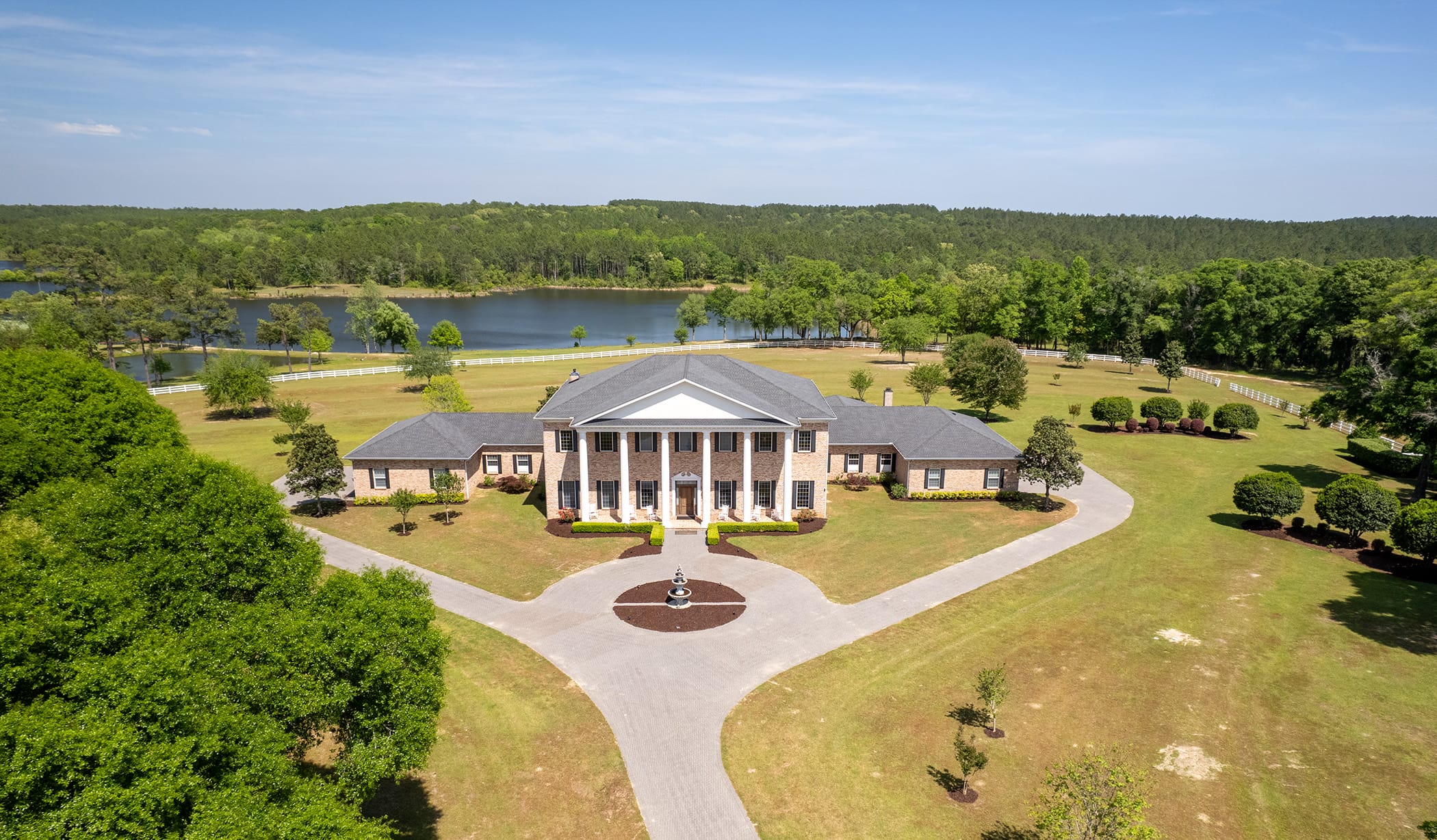
Residential infill lot acquisition is our highest-volume land lending category. SF residential zones — primarily RH-1 through RH-3 — permit single-family and small multifamily construction on lots that occasionally come available through estate sales, lot splits, and the demolition of obsolete structures. An infill lot in Noe Valley or Bernal Heights capable of supporting a 3,000-square-foot custom home sells for $600,000–$1.2M in the current market; the completed home achieves $3M–$4.5M. We finance the lot acquisition at 55–65% LTV with an interest reserve and terms aligned with the permit timeline.
Entitled development site acquisition — parcels with approved or nearly-approved plans for residential or commercial construction — qualifies for our highest land LTV of 60–65%. An entitled four-unit residential project in the Mission with Planning Commission approval in hand, construction documents 70% complete, and a contractor selected represents a land asset whose development risk is substantially reduced compared to an unentitled parcel. We underwrite on both the entitled land value and the projected completed project value, providing leverage based on the reduced risk profile.
Bayview-Hunters Point revitalization site acquisition is a specialty category that requires knowledge of the Bayview's unique planning context: the Bayview-Hunters Point Community Benefits District, the SF Redevelopment Agency's successor obligations, the community-first engagement requirements that the Planning Department applies to Bayview projects, and the environmental review requirements that apply to legacy industrial parcels. We finance Bayview land acquisition for investors who have done the community engagement work and understand the development pipeline.
Lot split and SB-9 opportunity acquisition represents a new land investment category created by California's housing legislation. Under SB-9, many SF single-family lots are now eligible for a ministerial urban lot split that creates two parcels, each capable of supporting up to two units. Investors who identify lots with favorable SB-9 characteristics — lot size, shape, access, existing building configuration — acquire them, execute the ministerial lot split, and sell or develop the newly created parcels. We finance SB-9 acquisition and lot split preparation costs in a single loan structure.
Common Challenges We Solve
SF Planning's Discretionary Review process is the primary risk variable for land entitlement timelines. Any neighbor can trigger a DR hearing during the Section 311 notification period on most SF development applications. DR timelines add twelve to twenty-four months to projects in contested cases. We structure land loans with explicit extension options for DR delay — borrowers submit a permit status update with the SF Planning case number and hearing timeline, and we grant the extension within five business days. We have carried land borrowers through three-year entitlement processes without triggering default.
Coastal Commission jurisdiction applies to ocean-facing properties in the Outer Sunset, the far western Sunset, and any parcel within the Coastal Zone boundary. Development on these parcels requires Coastal Development Permits from the California Coastal Commission in addition to SF Planning approvals — a separate permit pathway with its own public notice, hearing, and appeal timeline. We evaluate coastal zone parcels with the Coastal Commission jurisdiction explicitly factored into the entitlement timeline estimate.
Environmental conditions on legacy industrial and commercial parcels in Bayview-Hunters Point, parts of SoMa, and former gas station sites throughout the city require Phase I Environmental Site Assessments before we close and may require Phase II investigation if the Phase I identifies recognized environmental conditions (RECs). Parcels with active remediation orders, Cortese-listed contamination, or pending regulatory action require environmental insurance or seller indemnities before we can fund.
Our Approach
Land acquisition loans from $200,000 to $5 million, twelve-to-twenty-four-month terms with extension options, 50–65% LTV depending on entitlement status and location. Interest reserves funded at close to cover carrying costs during the permit period. No income documentation requirements. Term sheets within twenty-four hours of receiving the parcel address, APN, current entitlement status, and development concept. Closing in seven to ten business days.
We require a Phase I ESA for all land acquisitions; Phase II investigation is required if Phase I identifies significant RECs. We require a preliminary title report confirming ownership, encumbrances, and access rights. For parcels in Coastal Zone or within the jurisdiction of other state agencies, we require confirmation of applicable permit pathways before closing.
Frequently Asked Questions
Will you finance raw land without entitlements in San Francisco?
Yes, with appropriate LTV constraints. Unentitled land in SF residential zones that is clearly buildable based on current zoning and lot dimensions qualifies at 50–55% LTV with interest reserves. The lower LTV reflects the entitlement timeline uncertainty and the possibility that community opposition through Discretionary Review could delay or modify the development program. For parcels where the entitlement path is particularly uncertain — zoning amendments required, significant environmental review, or known neighborhood opposition — we evaluate each situation individually and may require additional equity or shorter initial terms.
How do you structure land loans given that the parcel produces no rental income?
We structure land loans with interest reserves funded at close that cover all loan payments for the initial term, making the loan self-servicing from a cash flow perspective. The interest reserve is sized based on the loan amount, interest rate, and the estimated entitlement timeline. We do not require the borrower to service interest from personal cash flow during the entitlement period. If the entitlement extends beyond the reserve period, we evaluate extension requests with updated permit status documentation and may require additional reserve deposits or equity contributions depending on the project's progress.
Does the Coastal Commission affect financing in the Outer Sunset?
Yes. Any parcel within the California Coastal Zone boundary — which includes most of the Outer Sunset west of roughly 45th Avenue and all beach-fronting parcels — requires a Coastal Development Permit from the California Coastal Commission in addition to SF Planning approvals. This adds a separate permit pathway with its own public notice, hearing, and appeal process. Coastal Commission CDP timelines add six to eighteen months to entitlement compared to non-coastal parcels. We factor this additional permit pathway into our land loan term structure and extension provisions. We require documentation confirming Coastal Zone status and the applicable CDP pathway before closing any Outer Sunset land acquisition loan.
Can I get land financing for a Bayview-Hunters Point development site?
Yes. Bayview-Hunters Point land acquisition is a specialty of our program. We understand the neighborhood's unique planning context — community benefits agreements, environmental review requirements on legacy industrial parcels, and the community-first engagement expectations that SF Planning applies to Bayview projects. For Bayview industrial parcels with potential soil contamination from prior use, we require a Phase I ESA and evaluate the remediation requirement and cost before setting LTV. Community-engaged investors who approach Bayview development with genuine neighborhood partnership rather than top-down displacement strategies consistently move through the planning process faster and with less resistance.
Can I use the same lender for both land acquisition and subsequent construction financing?
Yes. We offer construction loans that pay off the land acquisition loan and fund vertical construction as a seamless continuation of the lending relationship. This continuity has several advantages: we already know the parcel, the project, and your track record; transition underwriting is streamlined; and the combined land-plus-construction loan terms may be more favorable than separate land and construction financing from different sources. We structure land loans with clear construction financing parameters so there are no surprises when you're ready to build.