
Financing for Residential Property Flippers
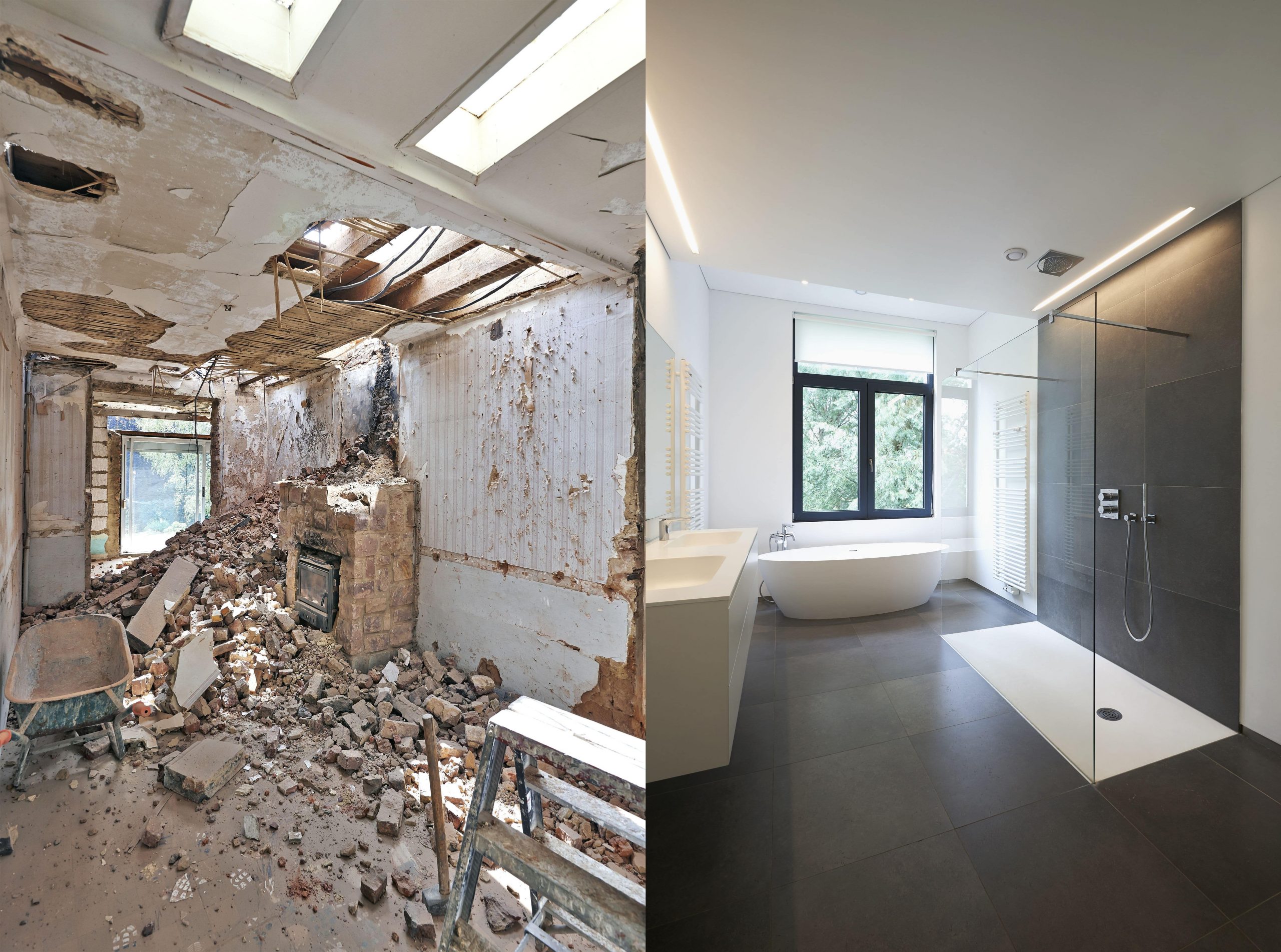
Residential property flipping in San Francisco operates at the intersection of one of the nation's most valuable housing markets and one of its most complex regulatory environments. The upside is real: a distressed Edwardian in the Inner Sunset acquired at $1.1M, renovated for $280,000 over twelve weeks, and sold at $1.8M produces a gross margin of $420,000 before costs — a return that justifies the complexity. But capturing that return requires moving fast, executing precisely, and having a financing partner who knows what "soft-story" and "Section 311" mean without needing an explanation. Hard Money Lender San Francisco closes fix-and-flip loans for SF residential flippers in five to seven business days. We lend up to 75% of after-repair value on acquisitions that include both purchase price and renovation budget in a single draw structure. We have closed on fire-damaged Victorians in the Mission, Edwardians needing full seismic retrofit in the Marina, probate-sale Craftsmans in Forest Hill, and estate sales in Pacific Heights — all property types where timing and condition complexity eliminate conventional lenders from consideration. Our flip borrowers range from experienced local operators completing eight to twelve flips per year to tech-wealth employees doing their first investment property transaction. We structure terms and leverage to match experience level, and we bring SF-specific knowledge to every loan — from realistic ARV modeling in micro-markets like Cole Valley and Cow Hollow to understanding which San Francisco contractors have DBI relationships that accelerate inspection scheduling.
Single-family and condo cosmetic-to-mid renovation flips are the baseline of our flip program. A Cole Valley Edwardian with original 1912 kitchen, knob-and-tube wiring, and galvanized plumbing selling below-market for $1.25M can be renovated — updated kitchen, two bathrooms, rewired, copper repipe, refinished floors — for $180,000–$250,000 in eight to twelve weeks and sold at $1.9M to a Noe Valley tech buyer who will not touch a property that needs work. We fund the acquisition and the renovation draw in a single loan, releasing renovation funds in milestone draws tied to DBI inspection sign-offs.
Soft-story acquisition and retrofit flips are a specialty that sets our program apart from most national hard money lenders. A four-unit Marina District soft-story building selling at a discount because the SF Soft Story Mandatory Retrofit Ordinance deadline is approaching represents a genuine value-creation opportunity: buy the discount, complete the mandated engineering and structural work, and sell the compliant building at full market value. We embed the retrofit cost — typically $60,000–$150,000 for a four-unit — in the renovation draw schedule, require a licensed structural engineer's scope and permit drawings before close, and release the retrofit draw upon DBI compliance inspection.
ADU legalization and addition flips create some of SF's most compelling value-add margins. A Glen Park single-family with an unpermitted in-law unit in the garage can be acquired at a discount reflecting the unit's unfinanceable status, the in-law legalized through SF DBI's Accessory Dwelling Unit legalization program, and the two-unit property sold as a duplex at a dramatically higher price per square foot. We fund the acquisition and legalization project as a single fix-and-flip loan, treat the permit-to-legalization milestone as the key draw trigger, and underwrite the ARV as a two-unit rather than a one-unit value.
Distressed-condition acquisitions from estate sales, foreclosures, and probate are our most time-sensitive transactions. These properties frequently require immediate purchase commitments — before the estate or bank is prepared to wait for conventional financing — and are often in conditions that make them ineligible for any conventional loan product. We close on properties that need new roofs, have failed HVAC systems, are uninhabitable due to water damage, or have deferred maintenance across every major system. The condition is a starting point, not an obstacle.
Common Challenges We Solve
San Francisco's permit process timeline is the most significant operational challenge for residential flippers. Over-the-counter permits for straightforward work in standard residential zones take three to six weeks. Projects triggering residential design review — most work that changes the building envelope, adds square footage, or alters a historic-eligible structure — require a planning department review that runs sixty to ninety days. Section 311 neighbor notification on projects in any Residential-1 zone can lead to a Discretionary Review filing that runs twelve to twenty-four months. We structure flip loans with initial terms from nine to eighteen months and built-in extension options for permit delays, disclosed and priced at origination.
Contractor scarcity and pricing in the Bay Area construction market mean that renovation budgets frequently require adjustment from initial estimates. A general contractor who won the bid at $180,000 encounters dry rot behind the bathroom tile, balloon-frame construction behind the kitchen wall rather than the platform framing assumed in the estimate, and a 200-amp panel upgrade required because the existing 60-amp service cannot support a modern kitchen. Budget overruns of 15–25% are the norm, not the exception, on pre-war SF housing. We require a 15% contingency reserve in every flip renovation budget and will not close without it.
Earthquake insurance requirements add to holding costs in SF's seismically active environment. All of our SF collateral requires earthquake insurance from the California Earthquake Authority (CEA) or equivalent carrier, verified at each draw disbursement. For soft-story properties pre-retrofit, CEA premiums are higher than for post-retrofit buildings; completing the retrofit qualification for reduced premiums is a financial improvement we model into the hold-cost analysis.
Tenant-occupied acquisitions require careful navigation of the SF Rent Ordinance when the flip strategy involves the building being tenant-free for renovation. Existing tenants in covered units have Just Cause Eviction protections; an investor who acquires an occupied building and needs it vacant for renovation must either: (a) use the owner-move-in pathway if personally occupying, (b) negotiate a voluntary buyout agreement (which must be disclosed and registered with the Rent Board), or (c) wait for natural vacancy. Involuntary displacement of rent-controlled tenants outside these legally recognized pathways carries significant legal and financial exposure. We require housing attorney consultation documentation before closing any flip loan on a tenant-occupied rent-controlled building where the renovation plan assumes vacant possession.
Serving Residential Property Flippers Throughout the Bay Area



Ready to Get Started?
Share your borrower profile and deal goals. We will move quickly with clear next steps.