Financing Vacant Lots Investments
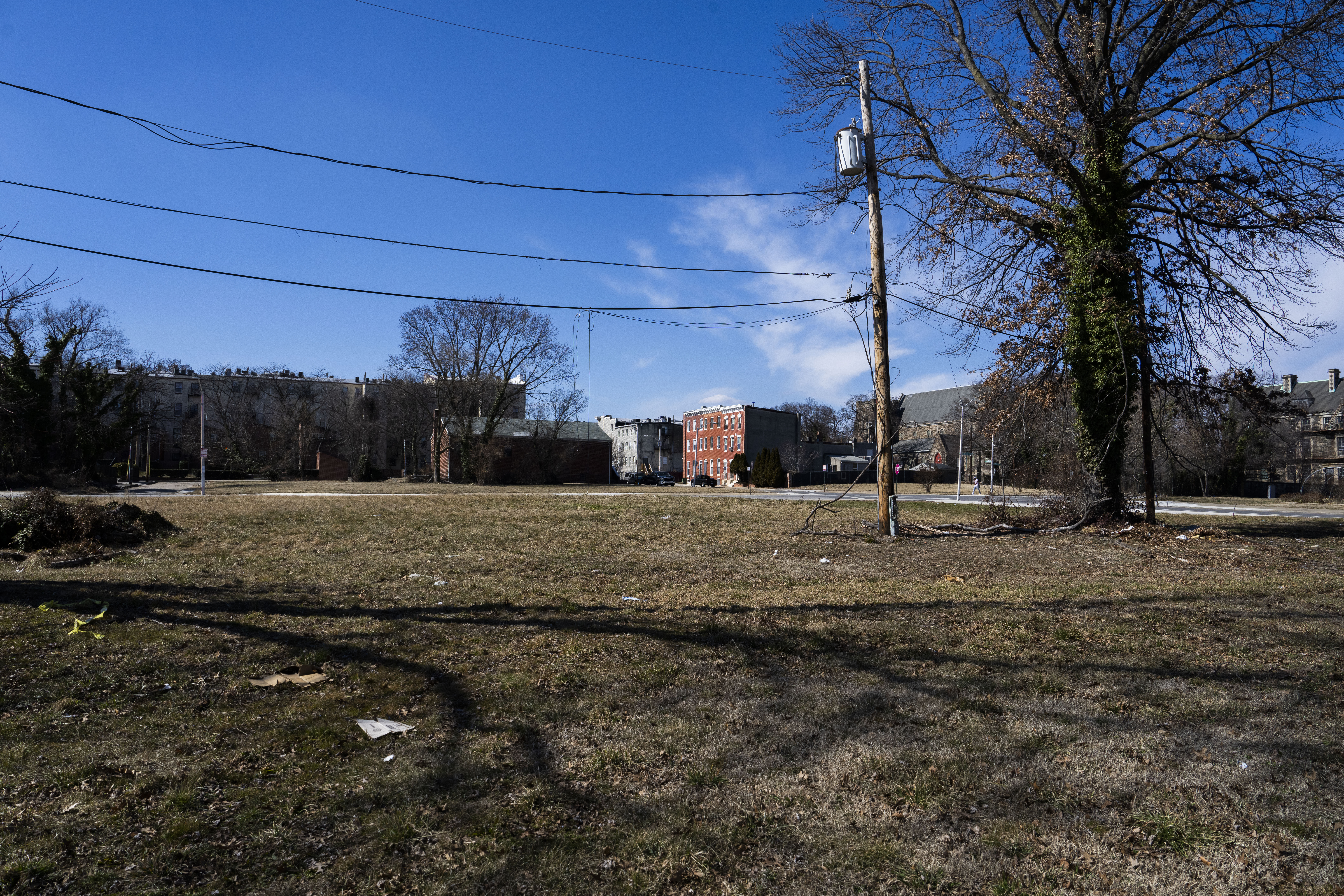
Vacant buildable lots in San Francisco are among the scarcest and most valuable development inputs in California. The city's geographic constraints — Pacific Ocean to the west, Bay to the east and north, San Mateo County to the south — limit the total land area to 49 square miles, and the developable fraction within that is small and largely built out. When a true vacant buildable lot surfaces in a San Francisco residential neighborhood — through estate settlement, lot split under SB-9, demolition of an obsolete structure, or partition of an oversized parcel — it generates immediate competitive interest from developers, builders, and investors who understand that entitled land in SF is irreplaceable.
Hard Money Lender San Francisco closes vacant lot acquisition loans in seven to ten business days. We lend at 50–65% of current lot value depending on entitlement status, location, and development feasibility. We structure loans with interest reserves for the entitlement and permit carry period, which in SF routinely runs twelve to twenty-four months from acquisition to permit issuance. We have financed vacant lots in every SF planning district, from Noe Valley residential infill to Bayview commercial development sites to Outer Sunset coastal-zone parcels.
The key to vacant lot investment in SF is understanding the entitlement pathway for each parcel's intended use and building that timeline into the financing structure from day one. We help borrowers think through entitlement realities at term-sheet stage — not just the ideal-case timeline, but the Section 311 notification period, the potential for Discretionary Review, and the parallel Coastal Commission or other state agency review that may apply — so that loan terms match actual development timelines rather than optimistic projections.
Residential infill lot acquisition for single-family or small multifamily construction is the most common vacant lot loan application. An infill lot in a primarily built-out SF neighborhood — a vacant parcel between two existing homes in Noe Valley, a detached garage footprint that has been separated from the main house through a prior lot split, or a cleared site where a demolished structure previously stood — qualifies for acquisition financing at 55–65% of current lot value. Construction financing follows the lot acquisition loan once permits are obtained.
SB-9 lot split opportunity acquisition represents the newest vacant lot category created by California's housing legislation. Under SB-9, many SF single-family lots are eligible for ministerial urban lot splits that create two parcels, each capable of supporting up to two units. The ministerial pathway bypasses Discretionary Review for qualifying lots, dramatically shortening the entitlement timeline. Investors who identify SB-9-eligible lots acquire them, execute the ministerial lot split process through SF Planning, and sell or develop the newly created parcels for substantially more than the original single-lot value. We finance SB-9 acquisitions at 55–60% of current lot value and fund the lot split application costs as a pre-construction soft cost draw.
Bayview-Hunters Point development site acquisition requires specialized knowledge of the neighborhood's community benefit framework and environmental conditions. Bayview vacant lots — often former industrial sites with potential soil contamination from prior use — require Phase I and potentially Phase II environmental review before financing. The community benefit agreement negotiation required for Bayview development projects adds time and cost to the entitlement phase. Investors who engage proactively with community organizations and approach Bayview development as genuine community partnership rather than displacement consistently move through the planning process faster and with more goodwill. We finance Bayview land acquisition for developers who have done this engagement work.
Coastal zone vacant lot acquisition in the Outer Sunset and far-western neighborhoods requires evaluation of both SF Planning and California Coastal Commission jurisdiction. Parcels within the Coastal Zone boundary require a Coastal Development Permit in addition to standard SF Planning approvals — a separate permit pathway with its own noticing, hearing, and appeal process. We finance Coastal Zone lot acquisition with terms that explicitly account for the CDP timeline, typically adding six to twelve months to the standard SF Planning entitlement estimate.
Common Challenges We Solve
No current income is the fundamental underwriting challenge for vacant lots. Conventional lenders require debt service from property cash flow; vacant lots obviously produce none. We address this through interest reserves funded at close that cover all loan payments during the entitlement and permit period, making vacant lot loans self-servicing without requiring cash flow from the property.
Discretionary Review risk is the most variable element of SF vacant lot entitlement timelines. Any neighbor within the Section 311 notification radius can file a DR request during the notification period, triggering a Planning Commission hearing that can add twelve to twenty-four months to the entitlement process. We structure vacant lot loans with explicit DR-delay extension provisions: borrowers submit permit status documentation when requesting extensions, and we grant extensions for projects progressing through the regulatory system regardless of whether the timeline is meeting initial projections.
Geotechnical conditions on SF vacant lots vary dramatically by location. Bedrock sites in Pacific Heights and Twin Peaks support straightforward spread footings; hillside sites in Bernal Heights and Glen Park may require drilled piers, micropiles, or retaining walls; bay-fill sites in the Marina carry liquefaction risk that must be addressed in the geotechnical design. We require a Phase I geotechnical review for all vacant lot acquisitions and a Phase II boring program for sites in known high-liquefaction or steep-slope zones.
Our Approach
Vacant lot loans from $150,000 to $5 million, twelve-to-twenty-four-month terms with documented extension options for permit delays, 50–65% LTV based on entitlement status and location quality. Interest reserves funded at close. Phase I ESA required for all acquisitions; Phase II for sites with identified RECs. Term sheets within twenty-four hours. Closing in seven to ten business days.
We hold all vacant lot loans on our balance sheet without secondary market constraints. Our construction loan program provides a seamless transition from lot acquisition to construction financing when permits are issued, with the lot acquisition loan paid off at construction loan close.
Frequently Asked Questions
What is the difference between a vacant lot loan and raw land financing in the SF context?
In San Francisco, vacant lot financing applies to buildable infill parcels with established utility infrastructure, prior development history or documentation, and a clear path to permitted construction based on current zoning. These are typically parcels in built-out neighborhoods that became vacant through demolition, lot split, or estate distribution. Raw land financing applies to parcels lacking urban infrastructure, requiring subdivision, or in zones where the development program is significantly uncertain. Vacant lot loans in SF typically qualify for 55–65% LTV; raw land loans are limited to 45–55% LTV reflecting higher entitlement risk and longer development timelines.
How long can I hold a San Francisco vacant lot on a hard money loan?
Our standard vacant lot loan term is twelve to twenty-four months, with two documented six-month extension options for projects progressing through the SF Planning permit process. Extension requests require a permit status update — the SF Planning case number, the assigned planner contact, and the most recent written timeline estimate from Planning — but do not require permits to be issued. We have carried lot borrowers through twenty-four-month entitlement processes without triggering default when the project was demonstrably advancing through the system. Initial term length is calibrated to the specific entitlement pathway at loan origination.
Can I get construction financing from Hard Money Lender San Francisco after my vacant lot is entitled?
Yes. We offer construction loans that pay off the vacant lot acquisition loan and fund vertical construction through certificate of occupancy. Transitioning from lot acquisition to construction financing within our program eliminates the need to re-underwrite the property from scratch at a new lender — we already know the parcel, the project, and your track record. We typically provide preliminary construction loan terms at the time of the lot acquisition loan so you have clarity on the full project financing structure from the start of the land hold.
Does the Coastal Commission affect SF vacant lots in the Outer Sunset?
Yes. Any vacant lot within California's Coastal Zone — which covers most of the Outer Sunset west of approximately 45th Avenue, all ocean-fronting parcels, and several blocks inland in some areas — requires a Coastal Development Permit from the California Coastal Commission in addition to standard SF Planning and DBI approvals. The CDP process involves separate state-level noticing, a coastal commission hearing, and appeal rights that can extend the entitlement timeline by six to eighteen months beyond standard SF Planning review. We factor the CDP pathway into our lot loan term structure and extension provisions for any Outer Sunset parcel within the Coastal Zone boundary.
What environmental due diligence do you require for SF vacant lot acquisition?
We require a Phase I Environmental Site Assessment for all vacant lot acquisitions. If the Phase I identifies recognized environmental conditions (RECs) from prior commercial, industrial, or gas station use, we require a Phase II investigation with soil and groundwater sampling to characterize the contamination and estimate remediation costs before we close. Lots with active remediation orders, Cortese List contamination, or pending regulatory action require environmental insurance or seller indemnities as a condition of loan closing. The Bayview-Hunters Point area — with its legacy of heavy industrial use — has the highest concentration of Phase II triggers in our vacant lot portfolio.