Financing Retail Storefronts Investments
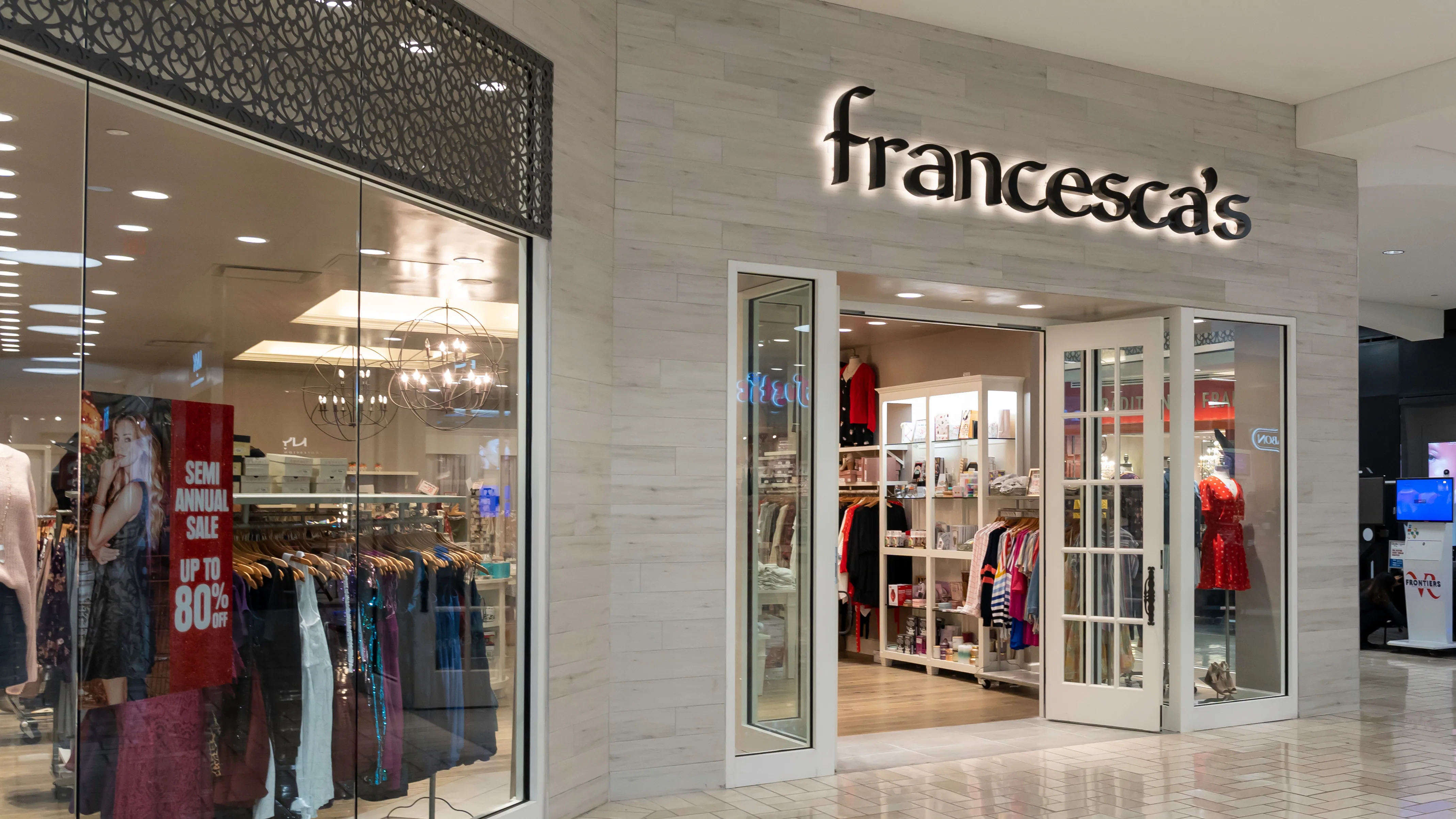
San Francisco's retail real estate market has demonstrated remarkable resilience through the structural disruptions of e-commerce and the operational disruptions of the pandemic. The city's neighborhood commercial corridors — Hayes Street in Hayes Valley, Valencia Street in the Mission, 24th Street in Noe Valley, Fillmore Street in the Western Addition, Clement Street in the Inner Richmond — serve dense, walkable populations who support local retail at rent levels that confirm demand for well-located ground-floor commercial space. What has changed is what succeeds in those storefronts: food and beverage, personal care, fitness, and experiential businesses that cannot be replicated online have replaced the comparison-shopping retail that e-commerce displaced. The buildings remain valuable; the tenant mix has evolved.
Hard Money Lender San Francisco finances retail storefront acquisitions, repositioning, and refinancing throughout the city and Bay Area. We underwrite retail properties based on location quality, foot traffic dynamics, demographic characteristics, and tenant viability — not on broad retail sector narratives that treat a Hayes Valley restaurant building the same as an enclosed suburban mall. Our retail borrowers include individual investors acquiring neighborhood commercial buildings as long-term income properties, developers repositioning underperforming retail corridors, and property owners refinancing to access equity or address maturing debt that conventional lenders will not extend.
San Francisco's neighborhood commercial districts each have their own Planning Code designations — Neighborhood Commercial (NC), Neighborhood Commercial Transit (NCT), and various NCD subtypes — that affect allowable uses, second-floor residential, signage, and formula retail restrictions. The city's formula retail restrictions, which require Planning Commission approval for chain stores in certain NC zones, affect the tenant mix that investors can attract and the planning approvals required for certain leases. Understanding these local planning regulations is essential for retail property underwriting; we apply them consistently across our retail loan portfolio.
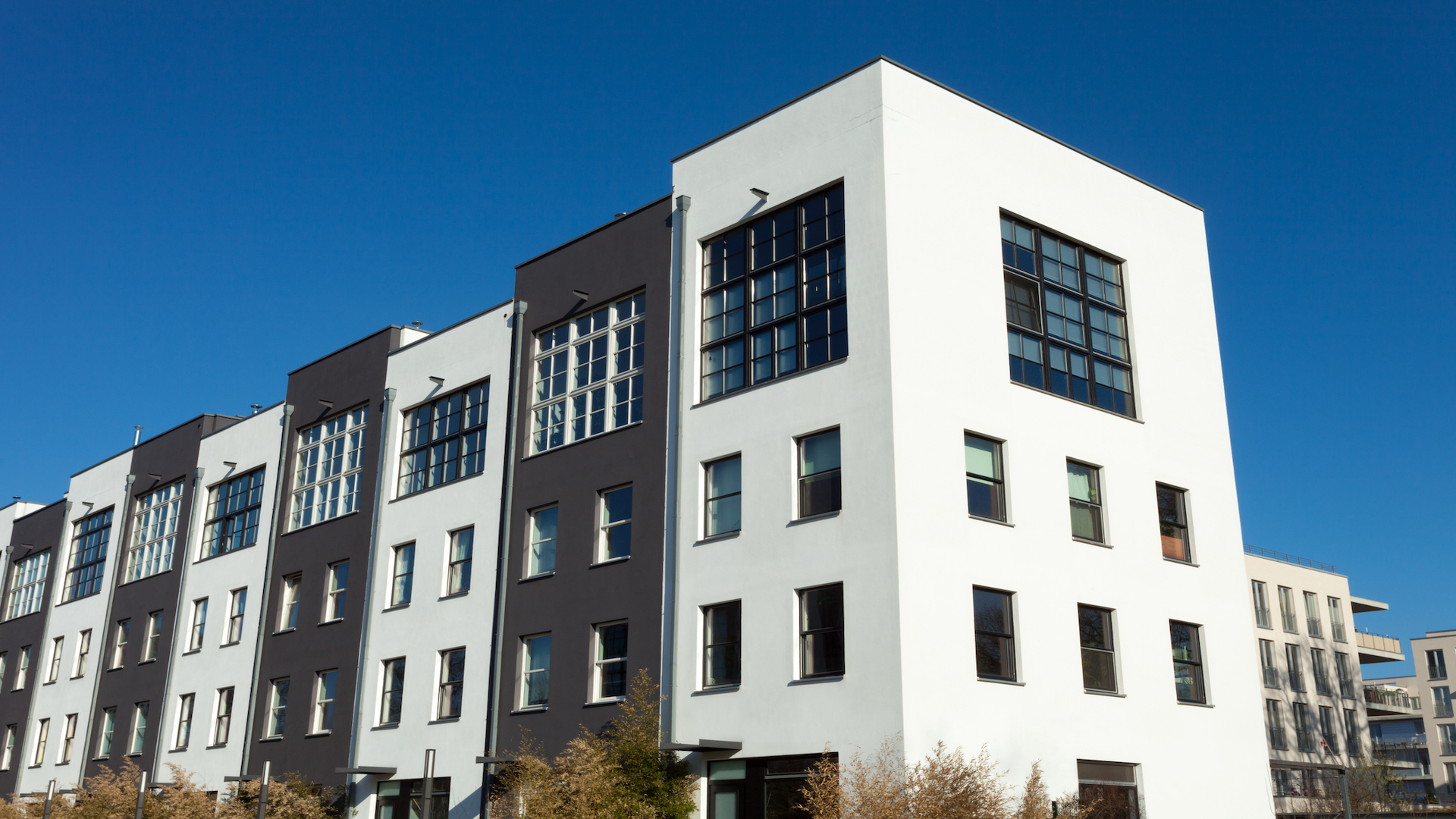
Neighborhood commercial acquisition financing covers the most common retail property type in SF's investment market: a two- to four-story mixed-use building with ground-floor commercial and residential units above, located on a neighborhood commercial street. These buildings — a Valencia Street building with a ground-floor restaurant and four rent-controlled apartments above, a 24th Street Noe Valley building with ground-floor boutique and two market-rate residential units above — require underwriting that evaluates the commercial and residential components separately and blends the income streams. We close these acquisitions in two to three weeks with preliminary terms in forty-eight hours.
Retail repositioning and tenant improvement financing addresses the investment opportunity in underperforming retail: a vacant storefront on a desirable corridor, a retail building with a below-market or expiring lease, or a property whose current use has been rendered uncompetitive by market evolution. We fund both the acquisition and the improvement scope — facade renovation, interior reconfiguration, plumbing and HVAC for restaurant conversion, ADA compliance improvements — in a single loan with construction draws tied to permit milestones and DBI inspection sign-offs.
Formula retail entitlement support is a specialized need for investors whose retail repositioning plan involves tenants that may be subject to SF's formula retail restrictions. In many NC and NCT zones, a business with eleven or more locations worldwide requires Conditional Use authorization from the Planning Commission before opening in a formula retail-restricted zone. The CU process adds six to eighteen months to lease execution for formula retail tenants. We structure retail loans with term provisions that accommodate CU application timelines for investors whose repositioning plans involve formula retail tenants.
Retail portfolio refinancing serves investors who own multiple SF neighborhood commercial buildings and need to restructure debt, access equity, or replace maturing conventional loans that the existing lender will not extend. We can process simultaneous refinances on multiple retail properties with coordinated closing timelines, or structure portfolio blanket loans that consolidate multiple retail buildings under a single loan facility.
Common Challenges We Solve
SF formula retail restrictions in Neighborhood Commercial zones limit the tenant universe for certain retail properties. Businesses with eleven or more worldwide locations — including most national chains, many regional chains, and some national service brands — are classified as formula retail and require Conditional Use authorization in most SF NC zones. The CU process is a discretionary approval with a public hearing and a fifteen-to-eighteen-month typical timeline. Investors whose value-add strategy depends on a formula retail tenant must budget for the CU timeline and the uncertainty of Planning Commission approval. We evaluate formula retail CU risk in our retail loan underwriting and may require evidence of Planning pre-application consultation before closing on properties where the repositioning plan depends on a formula retail tenant.
Mixed-use rent control implications apply when residential units above retail are covered by the SF Rent Ordinance. A retail building with four residential apartments built before 1979 is subject to rent control on the residential units while the ground-floor commercial space operates at market rates. The residential income is underwritten on current in-place rents with Costa-Hawkins decontrol modeling; the commercial income is underwritten on current or projected market lease rates. We conduct this dual-framework analysis for all SF mixed-use retail properties.
Retail tenant credit risk is more variable in neighborhood commercial than in credit-tenant net lease retail. Local restaurant operators, independent retailers, and personal service businesses — the tenant types that thrive in SF's formula-retail-restricted corridors — typically have limited financial reporting history, personal guarantee structures, and credit profiles that conventional commercial lenders find difficult to evaluate. We evaluate local tenant credit through business operating history, local market reputation, lease terms and rent-to-revenue ratios, and the landlord's tenant management experience rather than requiring investment-grade credit ratings.
Our Approach
Retail storefront loans from $300,000 to $10 million, terms from six months to five years, 60–70% LTV depending on location quality, tenant stability, and occupancy. Interest-only options for repositioning projects with leasing-period vacancy. Dual-framework underwriting for mixed-use buildings with both commercial and residential income. Term sheets within forty-eight hours. Closing in two to three weeks.
LLC, trust, and corporate entity borrowers are standard in our retail portfolio. No personal income documentation required. All loans held on our balance sheet with no GSE underwriting constraints.
Frequently Asked Questions
Do you finance retail properties with current vacancy or short-term leases?
Yes, we finance retail properties with transitional tenancy, including properties with current vacancy or leases expiring in the near term. Our underwriting evaluates market demand for the specific retail space based on location, visibility, and comparable lease transactions in the immediate area. For significantly vacant properties, we typically require interest reserves funded at close to carry the property through the leasing period and a realistic leasing marketing plan demonstrating proactive tenant solicitation. Well-located neighborhood commercial properties in high-foot-traffic corridors can qualify for financing even with temporary vacancy — the location quality is the underwriting anchor, not the current lease status.
What is the formula retail restriction and how does it affect SF retail property financing?
San Francisco's formula retail restriction prohibits businesses with eleven or more worldwide locations from opening in many Neighborhood Commercial zones without a Conditional Use authorization from the Planning Commission. This restriction applies in most NC, NCT, and NCD zones. For retail property investors, it affects the tenant universe available without Planning Commission approval — most national chains, many regional chains, and some service brands require CU authorization, a six-to-eighteen-month discretionary process. Investors whose repositioning strategy depends on a formula retail tenant must budget for CU timeline uncertainty. We require pre-application consultation documentation from SF Planning for any retail loan where the value-add plan assumes a formula retail tenant before we issue a term sheet.
How do you evaluate mixed-use SF retail buildings with both ground-floor commercial and residential units above?
We analyze mixed-use retail/residential buildings with dual-framework underwriting: the residential units are evaluated using the SF Rent Ordinance framework (current in-place rents, Costa-Hawkins decontrol modeling, just-cause eviction constraints) and the commercial ground floor is evaluated using market comparable lease rates, tenant credit assessment, and lease term analysis. We aggregate the two income streams for overall NOI and DSCR analysis, applying appropriate adjustments for regulatory risk on the residential component and tenant credit risk on the commercial component. This approach produces more accurate valuations than single-framework underwriting for a genuinely hybrid asset class.
Can I get a hard money loan for a retail property renovation in San Francisco?
Yes. Retail improvement financing is a core part of our commercial program. We fund facade renovations, interior reconfiguration for restaurant or food service use, plumbing and HVAC upgrades for changing uses, ADA compliance work, signage improvements, and comprehensive retail repositioning programs. Construction draws are released per permit milestone and DBI inspection sign-off, typically in three to five milestone draws for retail improvement projects. For conversion projects involving a change of use — from retail to restaurant, for example, requiring a separate SF Planning change-of-use permit — we require the change-of-use permit application to be submitted before we release the first construction draw, confirming that the intended use is permissible.
What LTV ratios do you offer for San Francisco retail storefront properties?
For stabilized retail properties with long-term leases to creditworthy tenants in high-foot-traffic locations, we offer up to 68–70% LTV. For properties with near-term lease expirations or current vacancy, 60–65% LTV based on conservative stabilized value projections. For mixed-use retail/residential buildings with rent-controlled residential components, LTV is determined by the blended income picture with additional conservative adjustments for rent control constraints. Formula retail-restricted corridor properties where the tenant universe is curated and non-chain are underwritten with appropriate adjustments for the smaller tenant pool available without Planning Commission approval.