

Financing for Commercial Property Developers
Commercial property developers in San Francisco navigate one of the most complex and rewarding real estate environments in the world. The city's status as a global technology hub, combined with limited land availability and stringent development regulations, creates exceptional opportunities for developers who can successfully execute projects from conception to completion. From converting historic warehouses in SOMA to modern office towers in the Transbay District, commercial development in the Bay Area requires sophisticated financing structures that can adapt to lengthy entitlement processes, changing market conditions, and multi-phase project timelines. Hard money loans serve as critical bridge financing for commercial developers, filling gaps that traditional construction lenders cannot or will not address. Development projects in San Francisco often face extended pre-construction phases due to environmental reviews, community hearings, permit approvals, and legal challenges that can stretch timelines by months or years. During these periods, developers need capital to carry land acquisition costs, pay professional fees, and maintain project momentum without the burden of fully amortizing construction loan payments. Hard money lenders who understand the development process provide the flexibility and patience necessary to navigate these complexities. The capital intensity of commercial development, combined with San Francisco's high land and construction costs, means that developers frequently require creative financing solutions. Hard money loans can provide acquisition financing for development sites, bridge capital between construction phases, rescue stalled projects from distressed situations, or fund value-add improvements to existing commercial properties. For developers building a pipeline of projects, establishing relationships with hard money lenders creates financial capacity that complements traditional construction financing and enables portfolio growth.
Commercial property developers deploy hard money loans across multiple project phases and development strategies. Land acquisition and carry financing represents a primary use case, as developers secure entitled or unentitled parcels with hard money loans while pursuing permits, conducting environmental studies, or negotiating tenant pre-leasing agreements. San Francisco's lengthy entitlement process, often taking 18-36 months for significant projects, makes patient capital essential. Hard money loans provide non-recourse or limited-recourse financing that allows developers to control strategic sites without the immediate pressure of construction loan commitments.
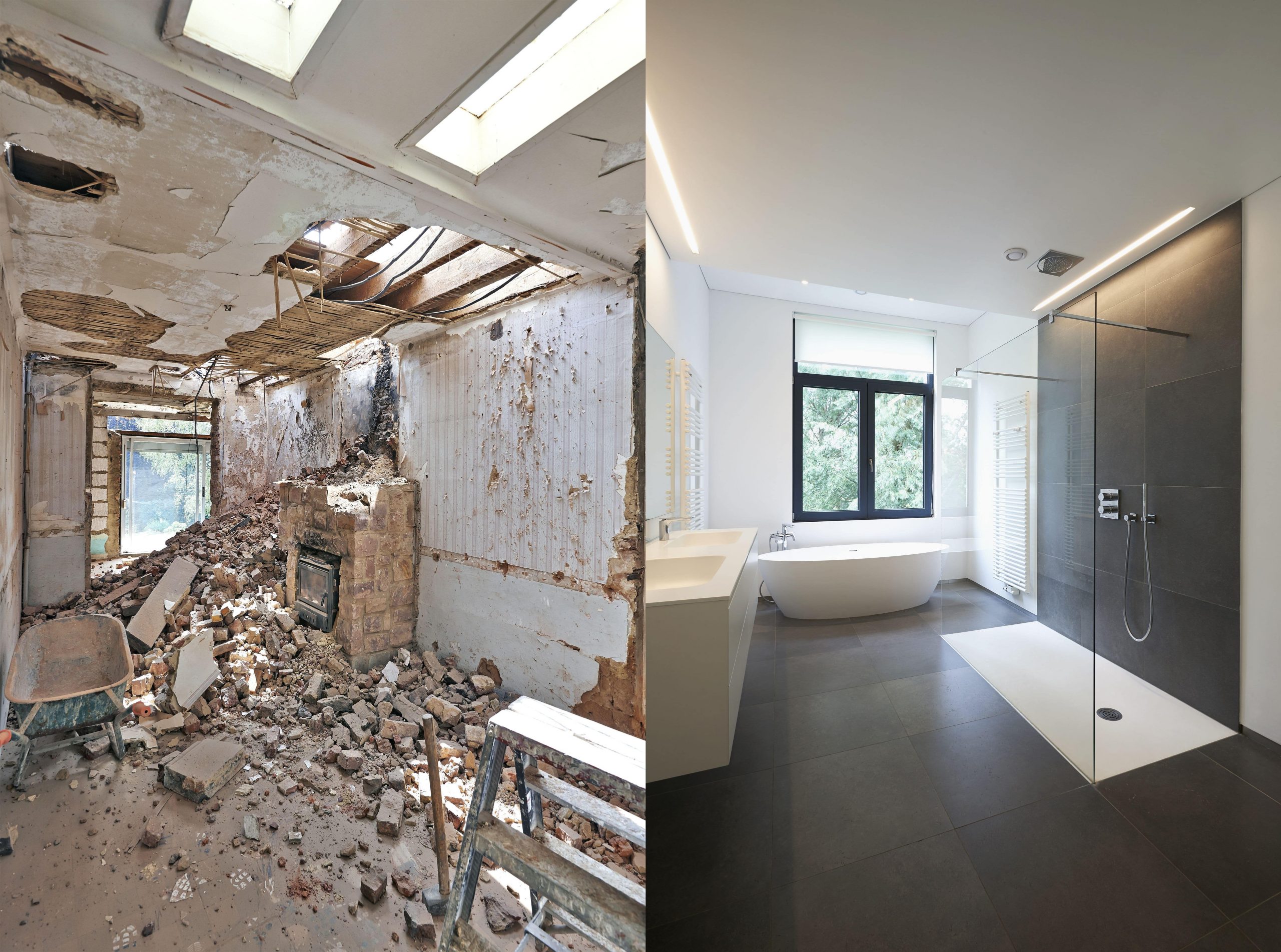
Value-add commercial repositioning projects transform underperforming or obsolete commercial properties into higher-value assets. Developers target aging office buildings, outdated retail centers, or industrial properties in transition zones like the Design District or Potrero Hill. Hard money financing funds acquisition, tenant buyouts, environmental remediation, and renovation costs while the project transitions from its current use to the intended higher-value application. These projects often involve complex phasing where portions of the property remain income-producing while other sections undergo redevelopment.
Construction bridge financing addresses timing gaps in traditional construction loans, such as when a project reaches certain milestones requiring additional capital before the next construction draw, or when cost overruns exceed original budgets. Hard money loans can provide gap financing that prevents project delays while developers secure additional equity or modify permanent loan commitments. Stabilization financing helps developers bridge the period between construction completion and achieving the occupancy or rental income thresholds required for permanent financing takeout.
Distressed asset acquisition and rehabilitation opportunities arise when commercial properties face foreclosure, bankruptcy, or significant deferred maintenance. Developers with turnaround expertise use hard money loans to acquire these assets quickly, often through auction or short sale processes that require cash-equivalent offers. The financing covers acquisition, immediate stabilization repairs, and operating expenses while the developer implements a comprehensive repositioning strategy. Adaptive reuse projects converting industrial buildings to creative office space, retail to residential, or single-use to mixed-use frequently rely on hard money financing due to their non-standard nature.
Common Challenges We Solve
Commercial developers face distinct financing challenges that differentiate their needs from other borrower categories. Entitlement and permitting delays create extended holding periods during which traditional lenders may impose default or require costly loan extensions. San Francisco's rigorous environmental review, design commission approvals, and potential for neighborhood opposition can extend pre-construction phases well beyond original projections. Hard money lenders experienced with development timelines structure loans with built-in extension options and patience for the regulatory process.
Capital stack complexity increases as projects grow larger, often requiring coordination between senior debt, mezzanine financing, preferred equity, and common equity. Hard money lenders can serve various positions in this stack, providing senior loans on smaller projects or mezzanine/gap financing behind traditional construction lenders on larger developments. Pre-leasing requirements imposed by construction lenders may be difficult to meet in early project phases, particularly for speculative development or innovative property types without established comparable rents.
Cost escalation and budget overruns plague commercial construction in the Bay Area, where labor shortages, material delays, and regulatory changes can rapidly increase project costs. Hard money loans provide contingency financing or rescue capital when projects exceed original budgets and traditional lenders refuse additional advances. Tenant improvement and leasing commission obligations for commercial projects require substantial upfront capital that may not be covered by construction loans focused on building shell and core improvements. Hard money financing can bridge these tenant-related costs until rental income stabilizes.
Serving Commercial Property Developers Throughout the Bay Area


Ready to Get Started?
Share your borrower profile and deal goals. We will move quickly with clear next steps.